


This website uses cookies so that we can provide you with the best user experience possible. Cookie information is stored in your browser and performs functions such as recognising you when you return to our website and helping our team to understand which sections of the website you find most interesting and useful.
Heating fault detection
In thirty years of practice, it is very rare for our heating cables to stop working. When this happens somewhere in the company, there is a “panic”, because we are aware of what a rigorous intermediate and final control all our equipment goes through. On the positive side, in 90% of cases, the cause is either mechanical damage to the heater or an extremely poor installation procedure.
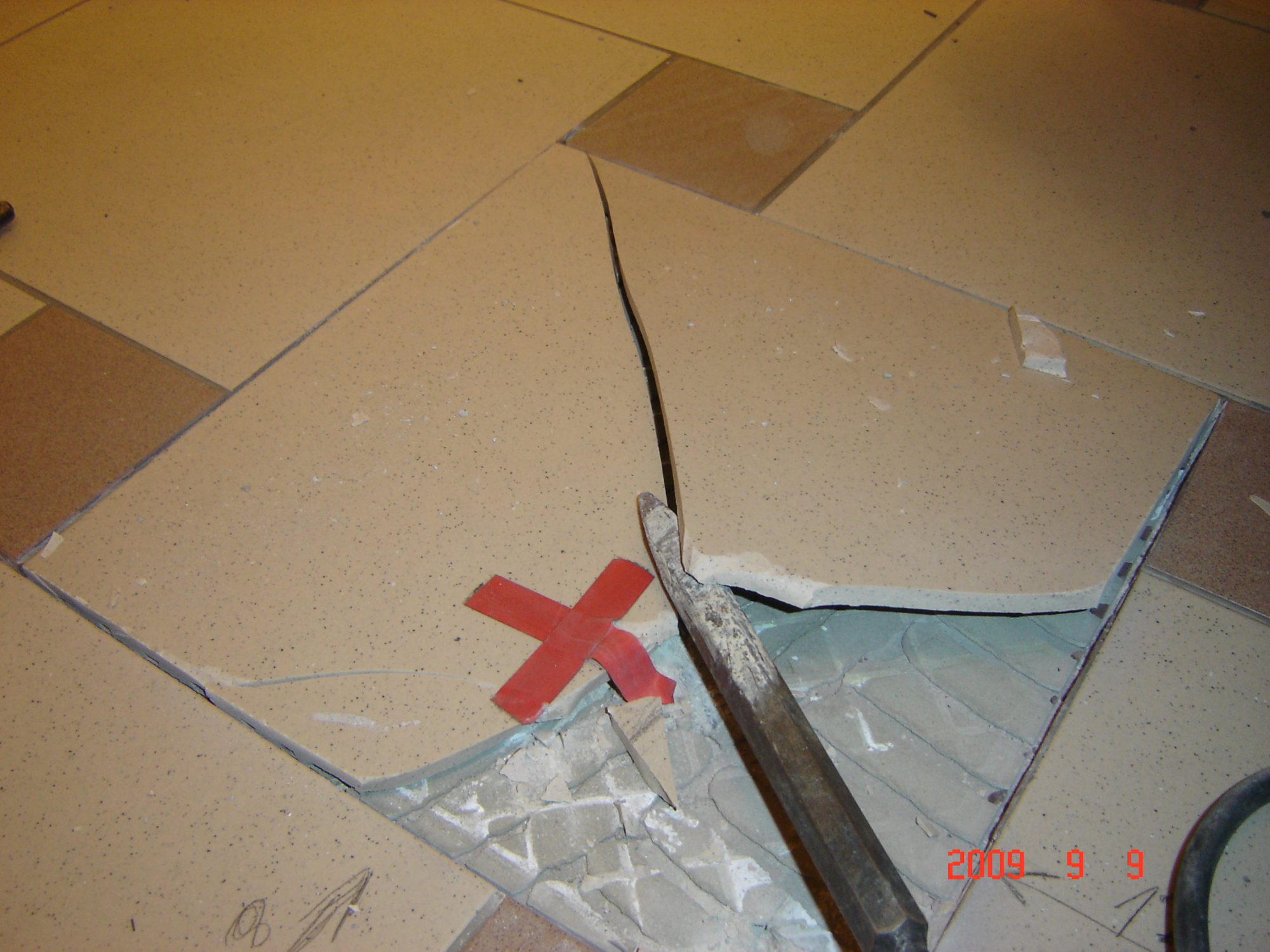
These are most often damage caused during installation, and then intentionally concealed or unprofessionally repaired. The second group consists of damage caused by subsequent interventions on the already completed facility. Therefore, the places of drilling (eg when installing door stops, handrails, sanitary ware, etc.) and cutting (eg changing tiles, installing inductive loops, etc.) are almost safe places of failure. An honest conversation with contractors and investors can usually find the place of failure without any special methods. Also, laying classic electric resistance heating cables, when heating pipelines, in such a way that they touch and cross each other can lead to their damage, and no equipment is required to detect such a fault.
A lot of equipment and experience is needed to detect more subtle failures, which are manifested later, and which occur due to the crushing of the heating cables and minor damage to their insulation during installation. These failures most often occur with underfloor heating and heating of external surfaces in buildings where the procedures for installing heating cables or thin heating mats were not followed. Prolonged exposure of heaters to trampling, disposal of materials, tools and machines, direct pumping of concrete, laying of asphalt with a paver and other rough procedures will certainly affect the shortening of their service life.
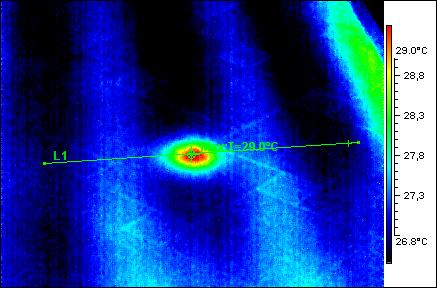
Special equipment and specially developed procedures enable our engineers to find such failures. Everything is based on thermographic imaging and finding the point of failure at which the development of heat is excited by an external source. Suitable conditions for such shooting, especially on outdoor surfaces, are very difficult to provide (better said welcome) because the surface must be neither sunny nor wet. The possible large installation depth of the heater is an additional obstacle. Despite everything, if there are plans to lay heating cables and suitable weather conditions, this uncertain search generally ends in a positive result.
Due to heavy and expensive equipment, a lot of effort, time to spend on mostly busy areas and yet an uncertain result – we do this service only for our installed equipment and for our subcontractors.