Why heat gutters and drainpipes?
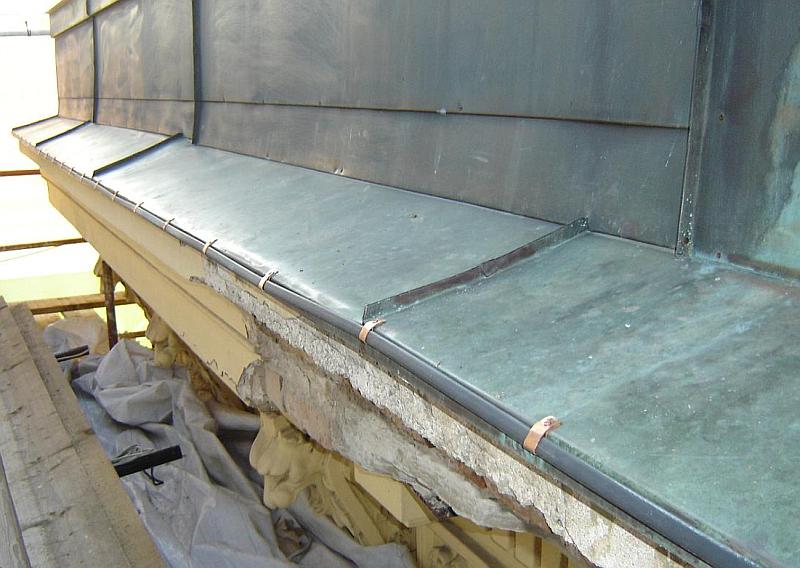
The term heating of gutters and drainpipe means electric heating of all elements for water drainage (gutters, drains, bays, canals, roof drains, vertical and sloping drains …) and heating overhang parts of the roof (with or without gutters) – realized with electric heating cables.
The purpose of heating gutters and drainpipes is to protect them from clogging with ice, and the purpose of heating the from the accumulation of snow and ice. In both cases, the goal is to ensure the smooth flow of water created by the melting of snow and ice.
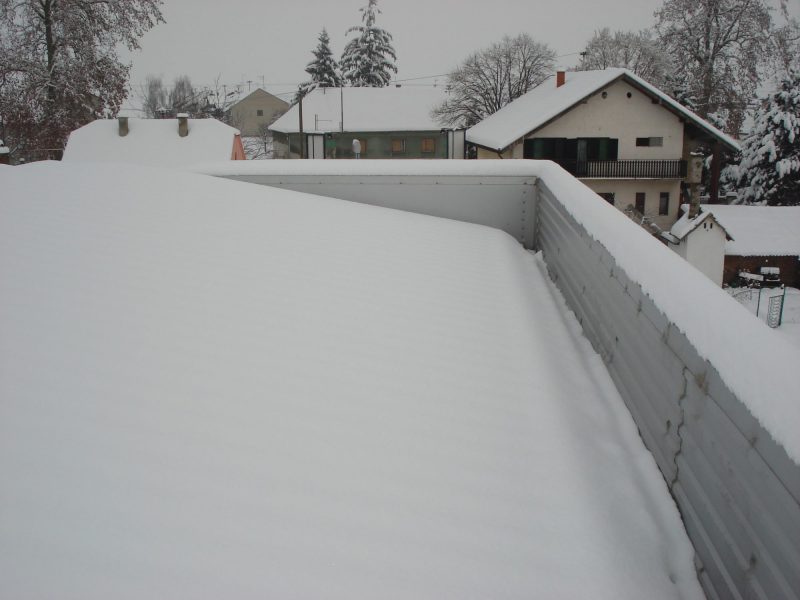
A snow-covered roof is a basic precondition that can lead to problems with clogging of water drainage elements, and then to significant damage to the entire facility. Everything else depends on the weather conditions, the construction of the roof itself and the design of the water drainage element.
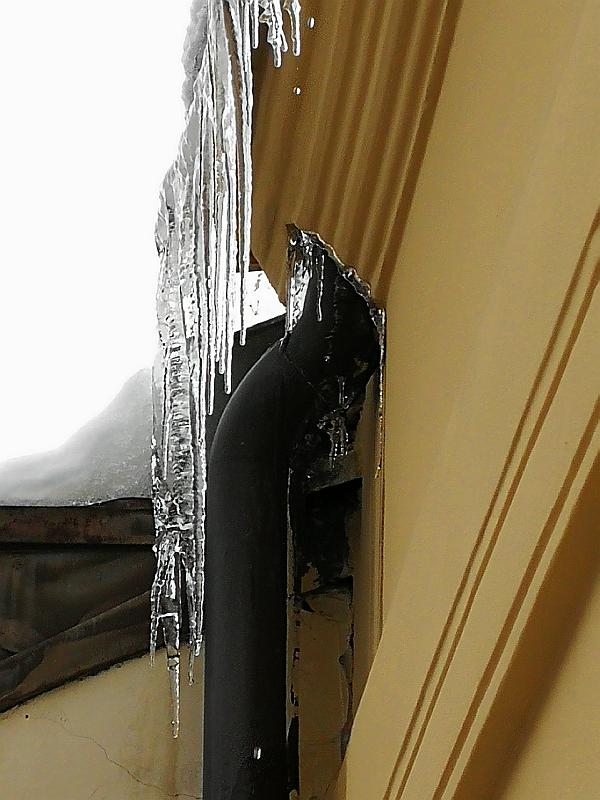
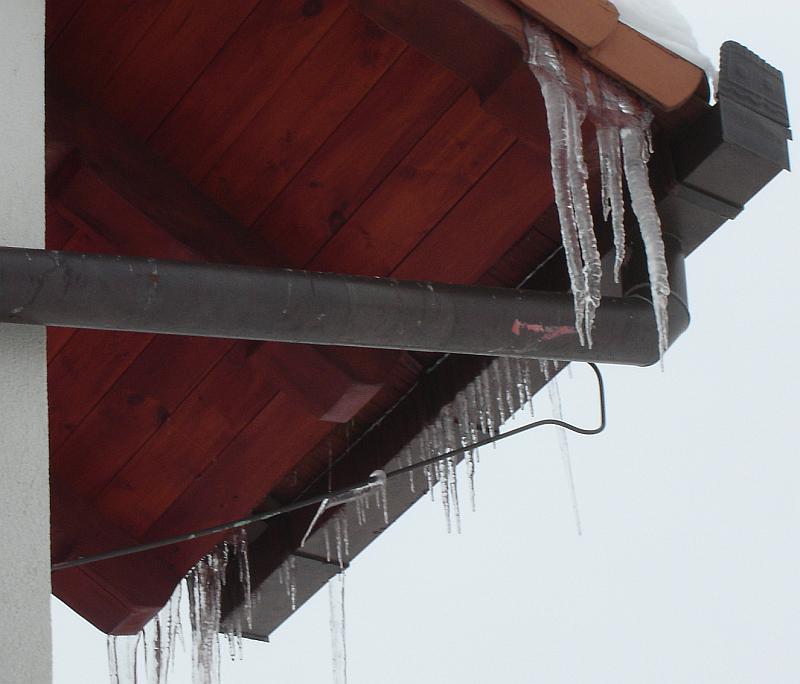
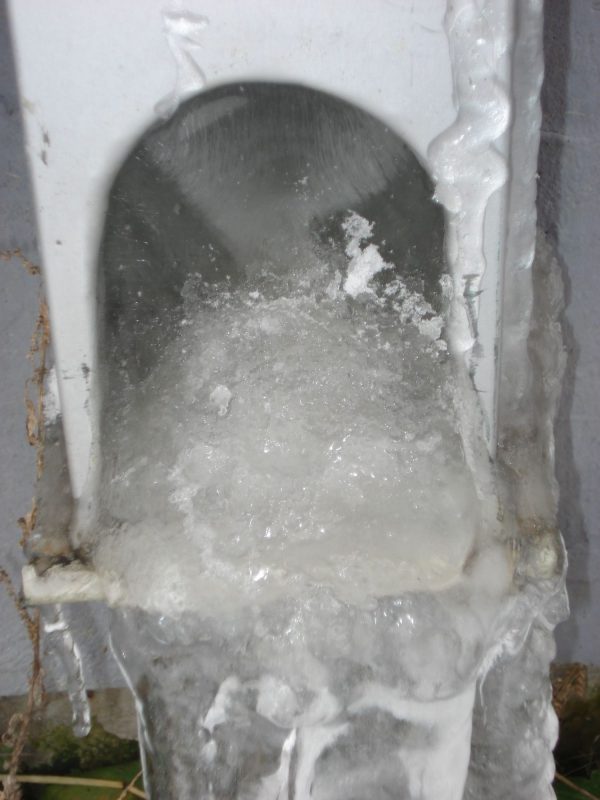
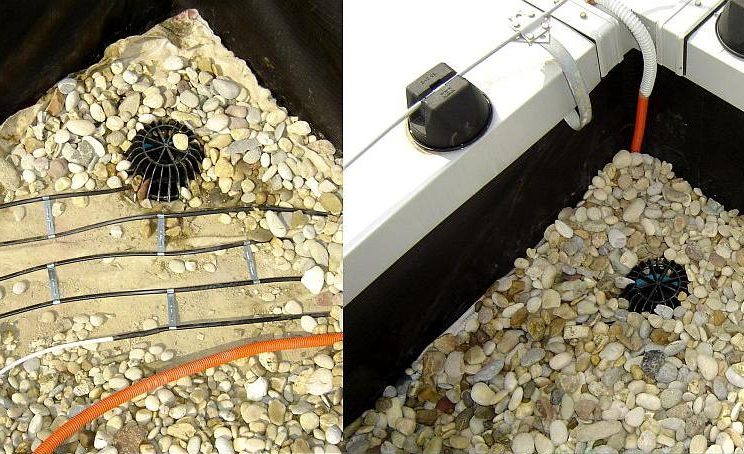
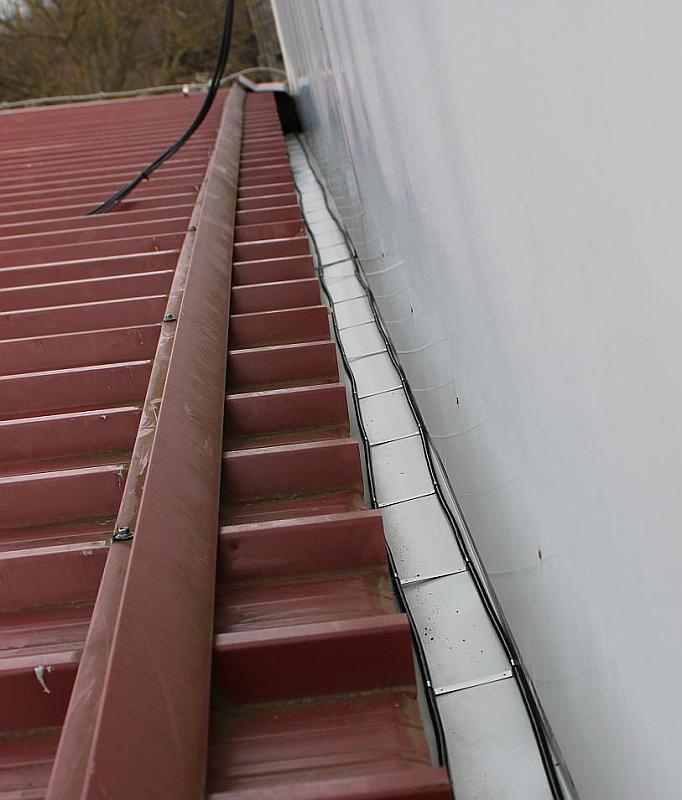
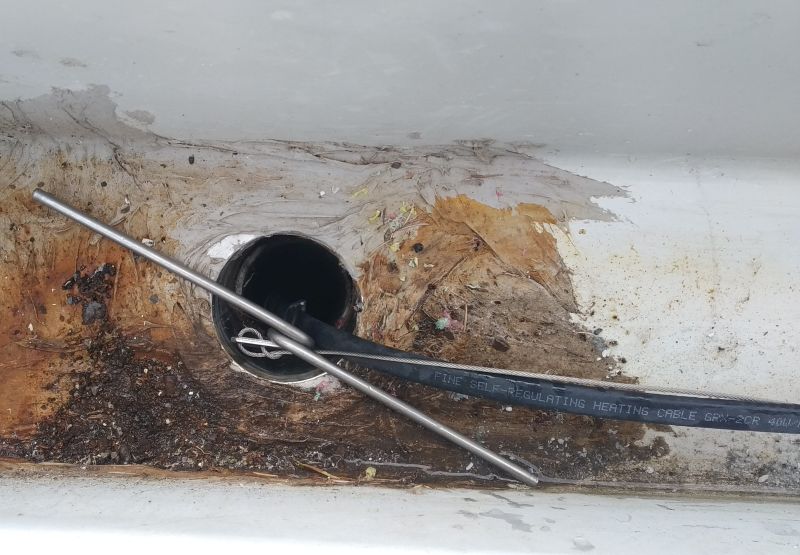
The problem most often occurs due to the so-called “warm roof”, ie due to heat leakage from the building itself caused by poor thermal insulation of the attic and roof. Snow is a relatively good thermal insulator and begins to melt, along the very surface of the roof, even at outside temperatures below 0 °C. The resulting water is drained, under the snow, into gutters and other elements for water drainage. Since these elements are on overhang parts of the roofs, their temperature is equal to the temperature of the outside air and in them there is a slow freezing and accumulation of ice. Ice weighs down and often damages roof parts and water drainage elements and clogs water drainage pathways. The real problems and the greatest damage occur only in the following days when the sun appears and the sudden melting of the snow begins. Due to the much slower melting of the ice, the water created by the melting of the snow cannot drain away, in the ways provided for that, but overflows through gutters, piles in the bays and finds random passages. It most often spills into the attic or spills over the facade, leading to damage to almost all parts of the building. Remediation is usually time consuming and expensive. An additional problem of clogging of water drainage elements is the possible formation of large and heavy “icicles” which can injure passers-by. You can see some of the problems that are solved by heating gutters and drainpipes in the photo gallery.






How to heat gutters and drainpipes?
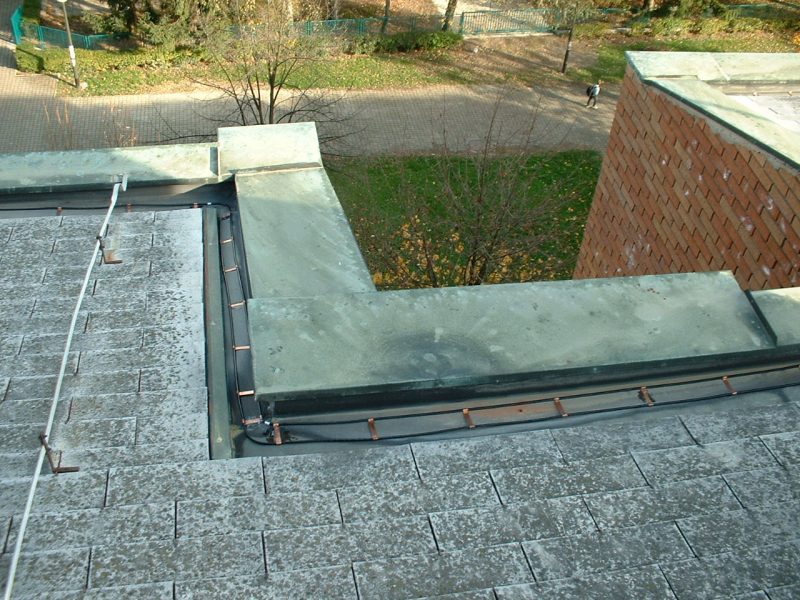
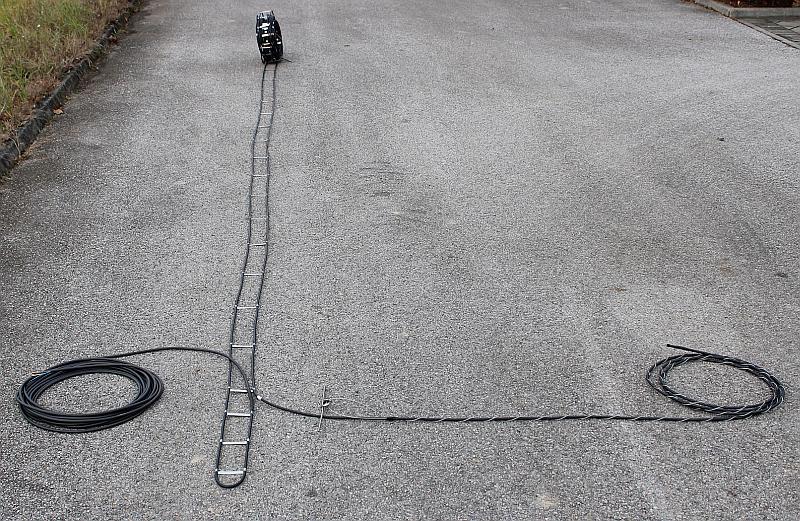
Heating of gutters and drainpipes is realized by installing heating cables in the elements for water drainage, and heating overhang parts of the roof by placing heating cables on roof coverings (tile, sheet metal, shingles, roof membranes… ).

Schematic representation of gutter heating systems
The electrical power required to melt snow and ice depends on the part of the roof / gutter that is heated:
- for protection against ice clogging of gutters and vertical drains (common design) on private and small public buildings [20 – 40 W / m gutters]
- protection against snow and ice clogging of bays, canals, gutters, aquifers and vertical and sloping drains on public and industrial facilities [30 – 80 W / m drainage elements]
- protection against accumulation of snow and ice on drained parts of roofs, all types of buildings, which can cause mechanical damage to roofs and elements for drainage of rainwater and penetration of water into attic spaces [60 – 250 W / m² of discharged part of the roof]
We install heating cables in rainwater drainage elements or on drained parts of roofs and therefore they must be resistant to all atmospheric influences (moisture, water, snow, ice, elevated temperature and ultraviolet rays). In addition, they require: reliable, efficient and economical operation, long service life, easy handling, and especially safe and harmless operation.
Our classic two-core electric resistant heating cables (type SSAP) fully meet all the above conditions and have been reliably heating gutters for more than 25 years.
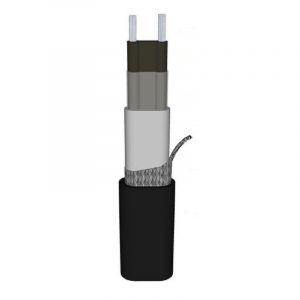
Self-regulating heating cables (type GRX40 / 22) can also be used to heat the gutters, which change their power depending on the ambient temperature.
The self-regulating heating cable type GRX 40/22 is a special version of the self-regulating heating cable intended specifically for heating gutters. Its special feature is that it has a sudden change in heating power depending on the surrounding medium. Thus at 0 ° C, when it is dry (in the air) it has 22 W / m, and when it is in ice water its power jumps to 40 W / m. With this type of heater, the current flows transversely – through a semiconductor polymer, which allows cutting and sizing the heating cable to any required length (up to 100 m).
In addition to saving electricity, everything indicates that the GRX 40/22 is the right solution, especially when heating gutters on smaller buildings.
In order for the gutter heating to be installed correctly, it is necessary to adhere to the following principles:
• install heating cables on those parts of gutters, drains or drained parts of the roof, where the biggest problems with icing have already been noticed or are expected from experience.
• install and secure heating cables so that they cannot be moved or damaged by wind, water and sliding snow down the roof
• to prevent unnecessary and harmful contact of heating cables with spacers, installed every 300 mm, and to prevent mechanical damage to heating cables with appropriate protective profiles
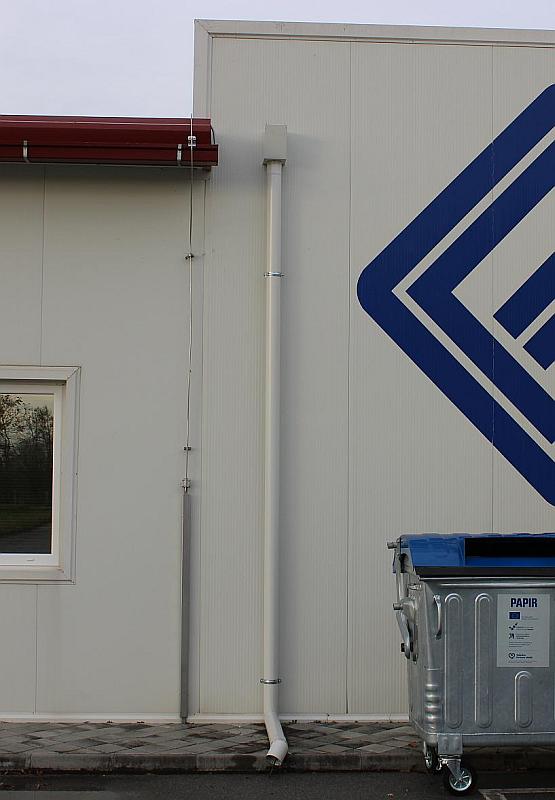
• for vertical storm water drains, higher than 3-4 m, the heating cables should be mechanically unloaded with a steel rope, which is clamped to the suspension
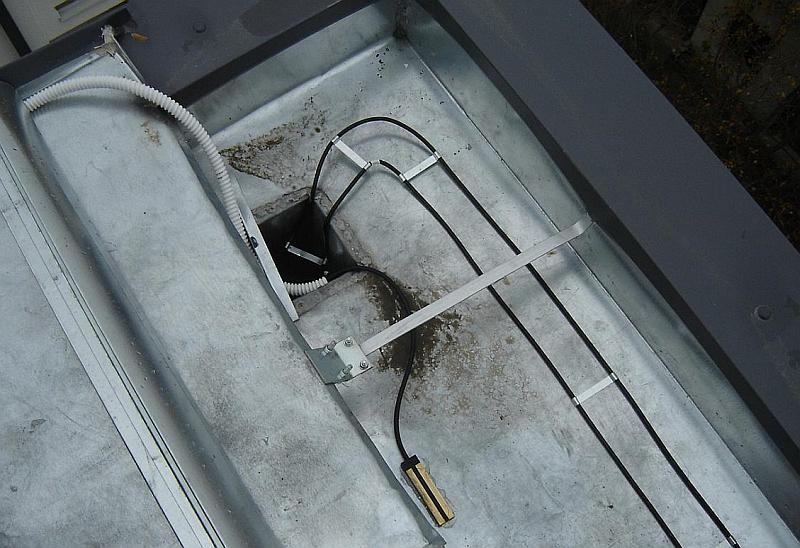
• all elements of the electrical installation (except the moisture sensor) should be placed so that they are protected from rain, snow and other atmospheric influences
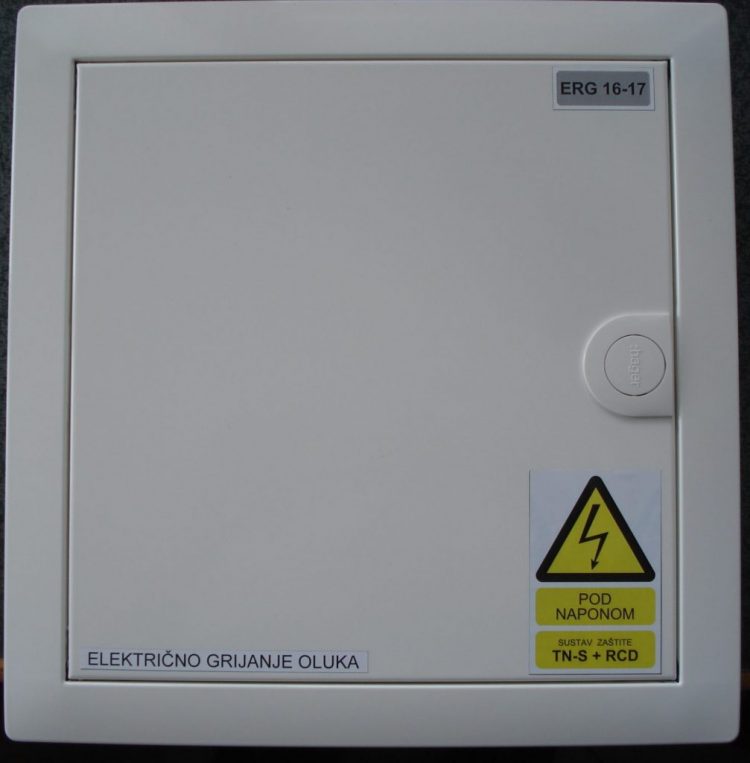
• the power supply and control distributor should be placed in an easily accessible place for the control of heating operation, but its construction should prevent unauthorized persons from influencing the heating operation.
SMALLER FACILITIES
Electric heating of standard horizontal gutters (width 150 mm) and associated vertical storm water drains is usually realized by placing two tracks of heating cable in horizontal gutters and one track in vertical drains. The power of such heating ranges from 35-45 W / m of gutters, or 17-23 W / m of vertical drainage. If necessary, the heating cables are secured to the horizontal gutter using polyurethane adhesive (eg SikaBond AT-Metal and SikaBond AT-Univerzal).

Schematic representation of gutter heaters on smaller objects: 1 – spacer plate 2 – heating cable 3 – T-connection of heating cable 4 – power cable (“cold place”) 5 – suspension 6 – steel rope
LARGER FACILITIES
Large buildings with gutters with a width of 150 to 300 mm, as well as their associated vertical drains are usually heated with two traces of heating cable. In this case, the power is 35-45 W / m in both horizontal gutters and vertical drains. For horizontal gutters wider than 300 mm, 3, 4 or more traces of the heater are required, and for vertical drains only 2 traces are always sufficient.

Shematic representation of gutter heaters on larger objects: 1 – spacer plate 2 – heating cable 3 – power cord (“cold end”) 4 – suspension 5 – steel rope 6 – protective sheet
The distance between the traces of the heating cables and their fixing is made possible by sheet metal spacers (82 mm wide). When using spacer elements, care should be taken that the material from which they are made (INOX, FeZn or Cu lim) is aligned with the gutter material, so as not to cause galvanic currents and destruction of the gutter material.








FAMILY HOUSES
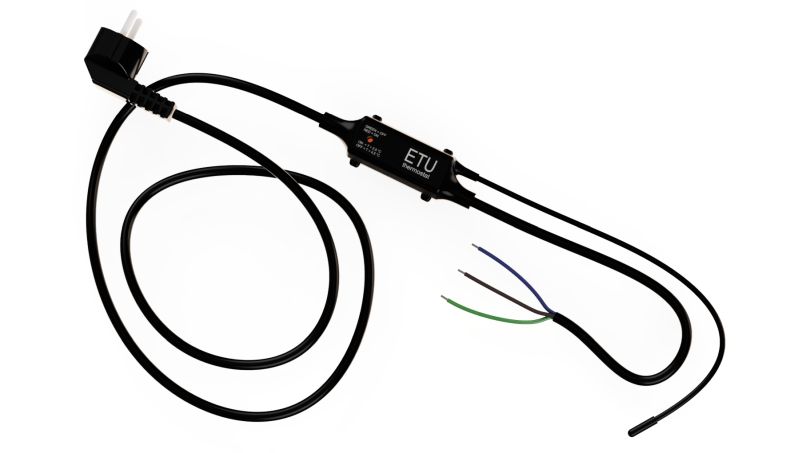
For heating gutters of lower power (1 to 2 kW), in family houses and similar facilities, manual heating control will also be satisfied, with protection with a simple capillary thermostat (F2000 0-40 °C) or a more advanced electronic thermostat (ETU 2.5 / 4.5). The thermostat is not for the purpose of guiding the heating process (it would turn on the heating whenever the outside air temperature is lower he set on the thermostat – whether or not it snows!) But as a protection that the heating does not work when the temperature rises and the owner forgets to turn off the gutter heating.

SMALLER PUBLIC FACILITIES
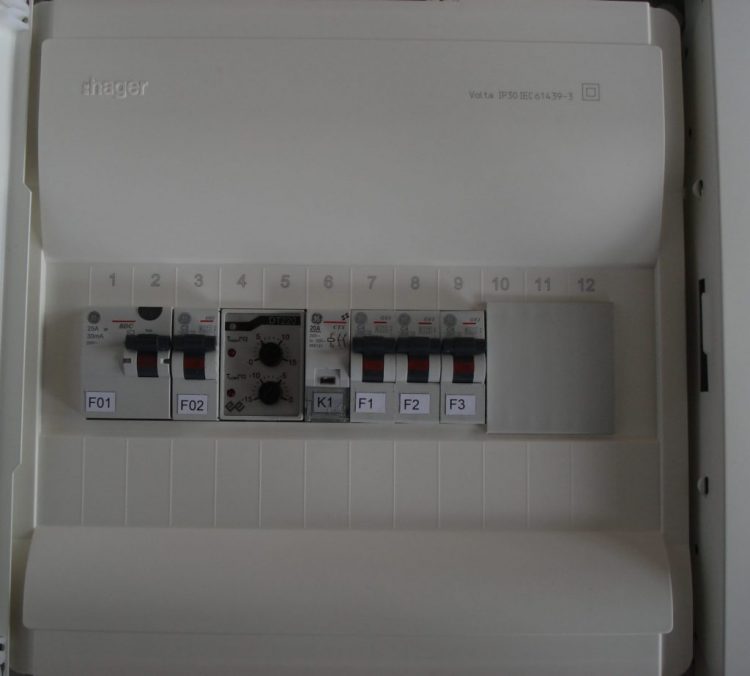
When heating the gutters of smaller public buildings and more demanding family houses, good results will be given by the electronic thermostat type DT230, where it is possible to set the temperature range of heating in the range from -15 to + 15 °C. It is built into the electrical control box, and its measuring sensor SZT-10 to the north outer wall.


LARGE PUBLIC FACILITIES
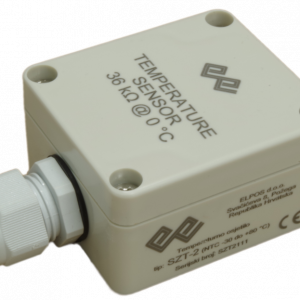
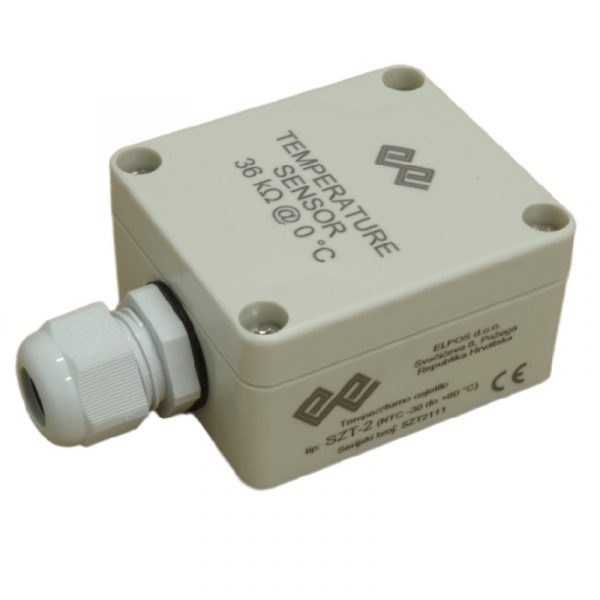
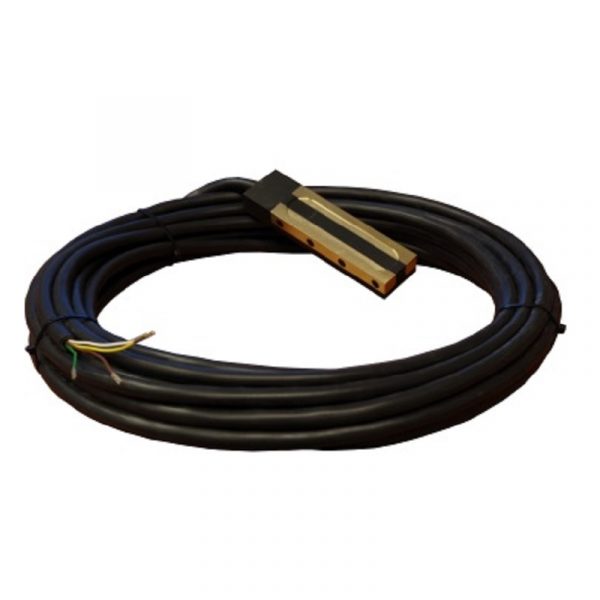
Powerful and complex gutter heating, especially in public buildings, is best managed fully automated, with the help of an electronic regulator type ETR2-1550 or ETO2-4550. These regulators control the heating of the gutters on the basis of the data on the outside temperature, obtained from the sensor type SZT-2 (located under the eaves on the north wall of the building) and the humidity data obtained from the sensor type SOV-2 (located in the gutter). Such gutter heating management is the most economical, but it is also recommended to periodically monitor and control the correctness of all elements.


How to solve gutter heating?
As manufacturers of gutter heating equipment and installers, we have many years of experience, so we believe that we can solve almost every problem in this area. That is why with our products you also get a solution for your gutter heating. We select, dimension and optimize the equipment to perform its purpose, while remaining within an acceptable price range. In order to be able to do that, we need your cooperation.
For smaller buildings, we need a hand-drawn sketch of a horizontal gutter and vertical drainpipes with as many and as accurate measures as possible (you can find an example of taking measures in the section “Gutter heating documents”), and some photos are always welcome.
For larger buildings, which have project documentation, a drawing of roof water and drawings of the facades of the building (.pdf or even better in .dwg format) are of great benefit. Of course, here, too, it is desirable to take as many photographs as possible so that we can more easily understand all the positions and relationships of the water drainage element.
We do not offer installation because we try to prepare all the equipment in such a way that local electricians can install, connect and put it into operation themselves. This is certainly the cheapest option for an investor, and if it gets stuck somewhere, we are here to help with advice.
What products do we offer?
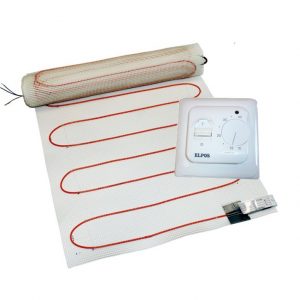
- gutter heating kits with ETU 2.5 / 4.5 thermostat
- they are used for smaller gutters and drainpipes
- easy installation without hiring a master
- self-regulating heating cables type GRX 40/22
- they are made to measure for the object (gutter) that is being heated
- SSAP type heating cables
- they are made to measure for the object (gutter) being heated
- regulators, thermostats and measuring sensors to control gutter heating
- regulator ETO2-4550
- regulator ETR”-1550
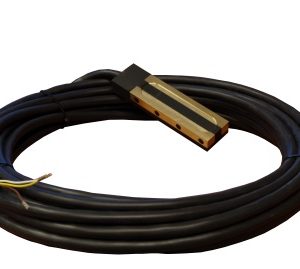
- moisture sensor SOV-2
- temperature sensor SZT-2
- electronic thermostat DT230
- temperature sensor SZT-10
- capillary thermostat F2000 0/40 ° C
- electrical control box with complete gutter heating control equipment





Other information related to the topic of gutter heating can be found in the following documents:
- Gutters – principles
- Gutters – installation
- INQUIRY FORM with an example for taking measures – gutter heating
If you have any questions regarding electric gutter heating feel free to contact us.
Our professional team of certified engineers and thirty years of experience in the implementation of heating systems is at your service.